Introduction
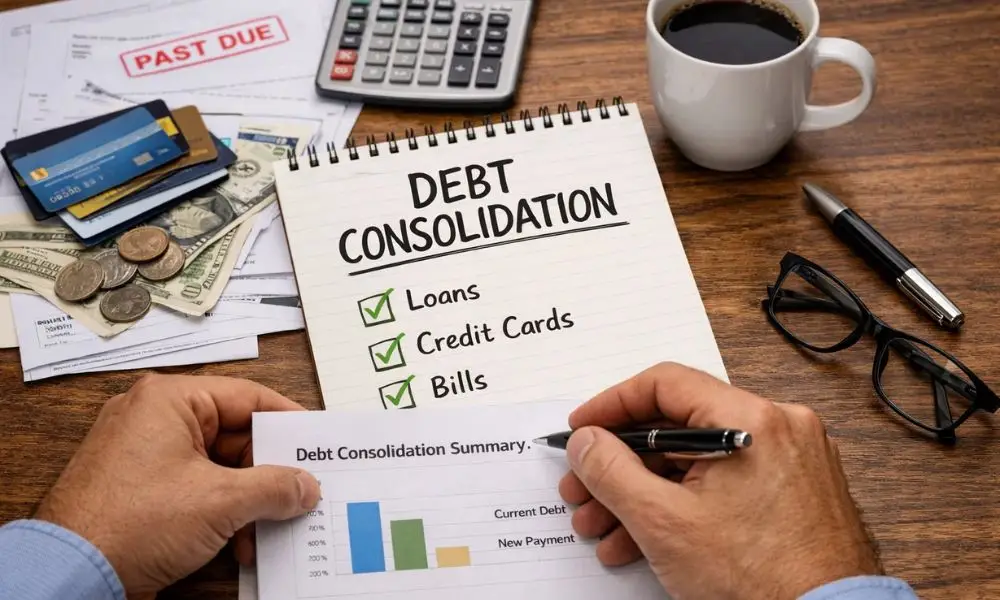
Debt consolidation is one of the most widely discussed and often most misunderstood options available to people struggling with multiple debt obligations. Because it is both a genuine solution in some circumstances and a potential risk in others, it has attracted both enthusiastic advocates and equally vocal critics, generating a collection of myths and misconceptions that make it difficult for people facing debt problems to assess whether consolidation is right for their situation. For individuals in Dubai considering their debt management options, understanding the reality behind common myths about Debt Consolidation UAE helps in making an informed decision about whether this approach makes sense for your specific circumstances.

Myth 1: Debt Consolidation Eliminates Your Debt
One of the most damaging misconceptions about debt consolidation is that it somehow makes your debt disappear or substantially reduces the total amount you owe. This is false. Debt consolidation combines your existing debts into a single new facility — you still owe the same total amount, but to a single creditor under a single set of terms rather than multiple creditors under multiple different arrangements. The benefit of consolidation is not debt elimination but debt simplification and potentially reduced monthly cost. The total debt remains; what changes is the structure and management of that debt.
Myth 2: Debt Consolidation Always Saves Money
Debt consolidation can save money if the new consolidated facility carries a meaningfully lower interest rate than the weighted average of the debts being consolidated and if the repayment term is not extended so far that total interest paid exceeds what would have been paid without consolidation. But this is not always the case. If the consolidation facility carries a similar or higher interest rate than the original debts, or if the term is extended significantly, the total cost of the consolidated debt may exceed the total cost of the original obligations even if the monthly payment is lower. A detailed comparison of total cost over the full repayment period — not just monthly payment comparison — is essential before deciding that consolidation saves money.
Myth 3: Debt Consolidation Fixes the Underlying Problem and Is Only for People in Crisis
Debt consolidation addresses the structure and management of existing debt, but it does not address the circumstances or behaviors that created the debt problem in the first place. If a person consolidates their credit card balances into a personal loan and then continues to use their credit cards in the same way, they will soon have both the consolidation loan and new credit card balances to manage — ending up in a worse position than before. Debt Consolidation UAE is most effective when combined with a clear commitment to addressing the underlying causes of debt accumulation. Equally, consolidation is not only for people in serious financial difficulty — it can also be a sensible proactive financial management tool for people who have accumulated multiple debt facilities at varying interest rates and want to simplify their management and reduce their cost, even before the situation becomes stressful.
Related Blog – The Role of Credit History in Debt Consolidation
Myth 4: All Debt Consolidation Products Are the Same
The market for consolidation products — personal loans, balance transfer facilities, home equity products, and specialist consolidation facilities — is diverse, and the terms, costs, and suitability vary significantly between products and between applicants. Working with a professional debt adviser who understands the full range of Debt Consolidation UAE options available and can match the right product to your specific situation is far more likely to result in a successful outcome than selecting the first consolidation product advertised.

Conclusion
Debt Consolidation UAE is a legitimate and potentially valuable tool for managing multiple debt obligations, but it is neither a miracle solution nor without risks. Understanding the reality behind the common myths — that it does not eliminate debt, does not always save money, does not fix underlying problems on its own, is not only for people in crisis, and comes in significantly different forms — is the foundation for making an informed decision about whether consolidation is appropriate for your situation. Professional debt advice helps you evaluate the option honestly in the context of your complete financial picture.